
On April 1, 2021, another chapter in the long running “water wars” concluded after eight years and tens of millions of dollars spent. The U.S. Supreme Court ruled in a 9-0 opinion that Florida failed to make a compelling legal argument or provide sufficient evidence that Georgia uses too much of the Chattahoochee and Flint rivers’ water. The court did not agree that any harm to the Sunshine State’s oyster population could be traced to the Peach State’s water use.
Georgia’s ‘win’ in this legal round comes with two important lessons from the Florida v. Georgia opinion.
First, the Court explicitly reminded Georgia of the state’s “obligation to make reasonable use of Basin waters in order to help conserve that increasingly scarce resource.” Throughout the case, Georgia argued that the state’s water use was reasonable. All of the water conservation and efficiency work Georgia cited in the case was deemed legally reasonable. The Justices’ opinion also means those laws, policies, and tools are here to stay.
Second, the most progressive acknowledgment in the Court’s opinion was the role of “climatic changes” and their effects on our rivers. Georgia’s central argument was that reduced river flows in Florida were not Georgia’s fault. It was drought, said Georgia, which has become more frequent and damaging. The Court accepted this argument.
CRK’s advocacy and the Court’s concluding statement align closely. Georgians have a responsibility to conserve water. The state cannot keep growing and not implement new methods to save water in our cities and towns, businesses, industries, or on our farms.
If a robust culture of conservation does not take hold and advance in metro Atlanta, the Flint and Chattahoochee river basins, and across all economic sectors, we’ll be back in court again.
At the end of the day, meeting the challenges of climate change – not legal challenges – will drive our future water decisions.
This story was originally published in the Summer 2021 edition of RiverCHAT.
Related Posts
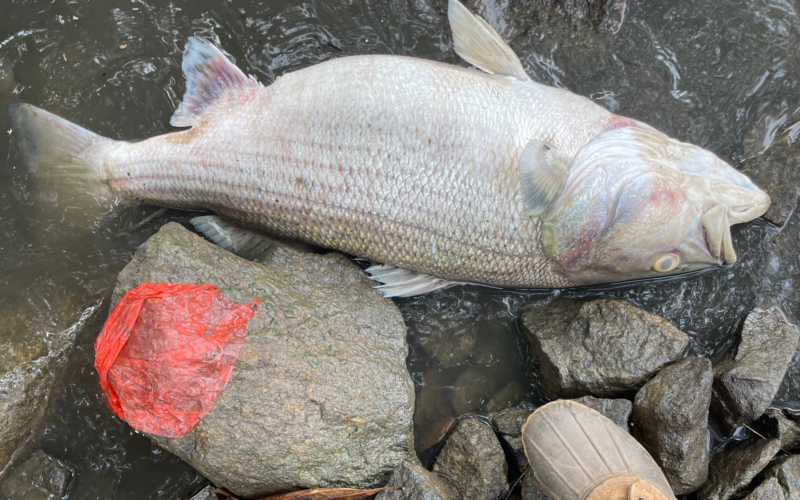
Investigation of Atlanta fish kill continues
June 24, 2026 | Chattahoochee Riverkeeper (CRK) continues to investigate the unprecedented May 20-22, 2026 fish kill on the Chattahoochee River directly downstream of Peachtree Creek in Atlanta, Georgia. During a routine patrol of the…
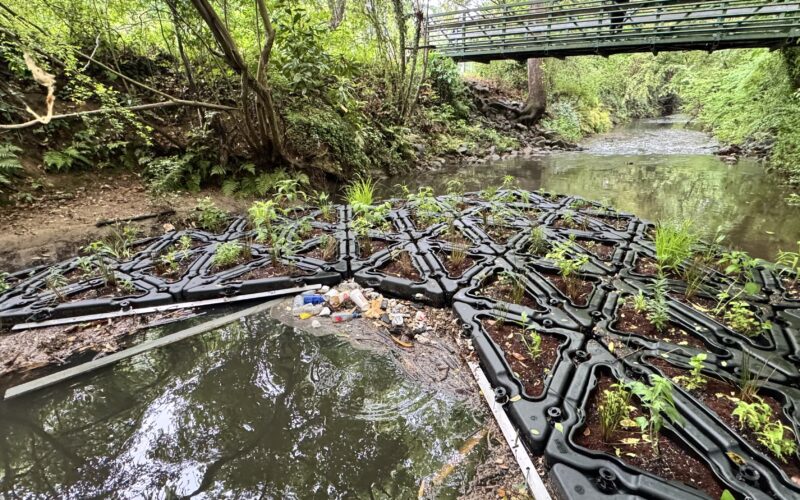
What is a floating wetland trash trap?
In honor of Earth Day, Chattahoochee Riverkeeper partnered with the City of Chamblee and Cox Enterprises to install a “floating wetland trash trap” designed to capture litter, host native wetland…
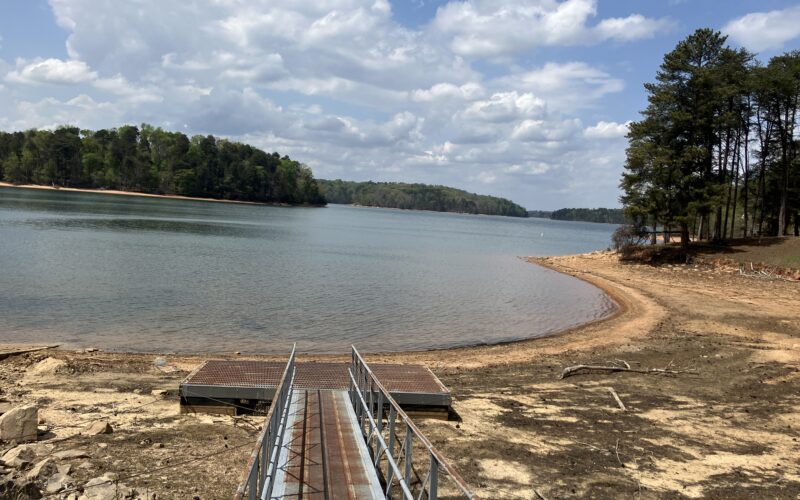
Conserving water during drought
April 27, 2026 – The Georgia Environmental Protection Division has declared Drought Response Level 1. Click here for details. If your community relies on the Chattahoochee River, Lake Lanier, or another source for drinking water…
 English
  Spanish