Do you live in Metro Atlanta or around Lake Lanier? Have you noticed that your tap water tastes musty or like dirt? Drinking water providers around north Georgia that draw their water from Lake Lanier and the Chattahoochee River are reporting rising levels of compounds that cause these taste and odor problems.
Geosmin and 2-Methylisoborneol (or MIB) are compounds produced by species of algae in lakes. Each year, as air temperatures cool, Lake Lanier experiences “turnover.” The cool water at the lake’s surface becomes more dense and sinks, causing the algae that produce MIB and geosmin to mix into the lake water column.
Drinking water taste and odor issues happen to some extent every year, especially in communities that get their drinking water directly from Lake Lanier. But it was more noticeable and widespread in 2025, particularly in communities downstream of the lake like Atlanta. That’s because the water in the Chattahoochee River in metro Atlanta comes from Lake Lanier, and higher concentrations of MIB and geosmin in the lake means higher concentrations in the river.
Fortunately, the problem is aesthetic and not a public health issue. While annoying, the smelly water remains safe to use for drinking and washing. Utilities such as Gainesville, Cobb County, Gwinnett County, and the City of Atlanta are using activated carbon or ozone treatment to help remove the compounds and are investing in additional treatments to combat the problem in future years.
The taste and odor issues follow years of concern regarding Lake Lanier’s overall water quality and algae levels. CRK regularly monitors the amount of algae in Lake Lanier and did not see any abnormal increases in the total amount of algae in 2026. But more needs to be done to protect the health of the lake. To effectively address Lake Lanier’s algae levels and overall water quality, more investment is needed to reduce nutrient pollution, especially from leaking sewer lines and septic tanks, lawn fertilizers, and agricultural and urban runoff.
Pictured above: A CRK intern collects a water sample on Lake Lanier as part of monthly nutrient level monitoring. Learn more here.
Related Posts
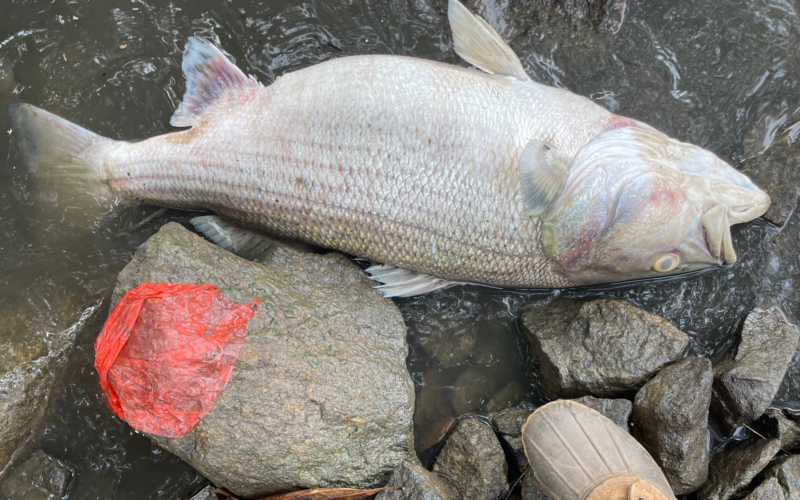
Investigation of Atlanta fish kill continues
June 24, 2026 | Chattahoochee Riverkeeper (CRK) continues to investigate the unprecedented May 20-22, 2026 fish kill on the Chattahoochee River directly downstream of Peachtree Creek in Atlanta, Georgia. During a routine patrol of the…
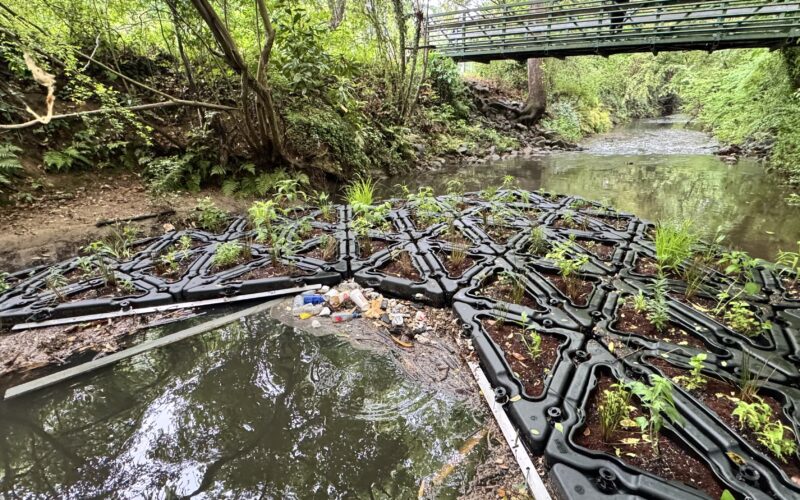
What is a floating wetland trash trap?
In honor of Earth Day, Chattahoochee Riverkeeper partnered with the City of Chamblee and Cox Enterprises to install a “floating wetland trash trap” designed to capture litter, host native wetland…
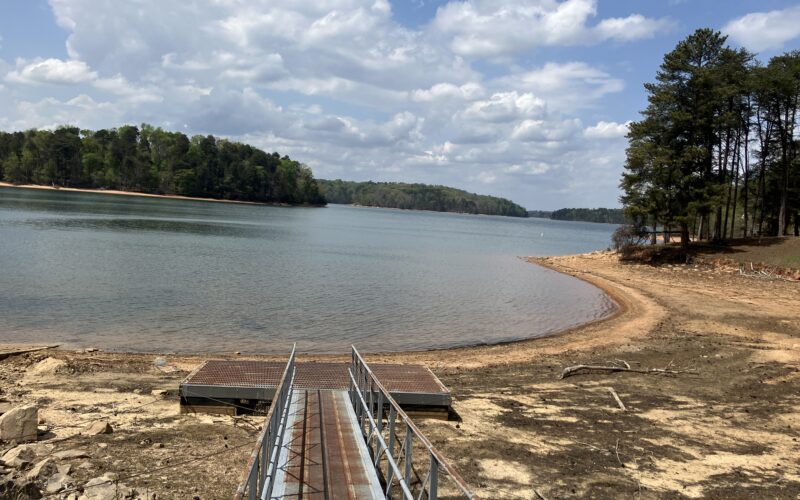
Conserving water during drought
April 27, 2026 – The Georgia Environmental Protection Division has declared Drought Response Level 1. Click here for details. If your community relies on the Chattahoochee River, Lake Lanier, or another source for drinking water…
 English
  Spanish